


As we move further into 2026, graphic design is no longer just about being visually pleasing—it’s about relevance, authenticity and strategic impact. For marketing managers who care about brand experience, customer perception and staying ahead of the curve, this year brings a rich mix of human-centric craft, technology-powered creativity and brand systems built for scale. These aren't just fleeting styles; they are strategic tools that smart brands should adopt now to secure their competitive edge.
This guide explores eleven pivotal design trends graphic professionals are using to shape the future. More importantly, we provide practical, actionable advice on how to translate them into powerful branded merchandise, ensuring every pen, tote bag, and custom drink bottle makes a lasting impression.
Here are 11 design trends that business-brands should be planning for now.
1. Humanised Iconography & Hand-Crafted Visuals
While minimal flat icons still have their place, in 2026 we’re seeing a shift toward icons that feel warm, expressive and crafted. They’re not just functional—it’s about personality. This approach is a cornerstone of many contemporary design trends graphic, proving that small details can have a big impact.
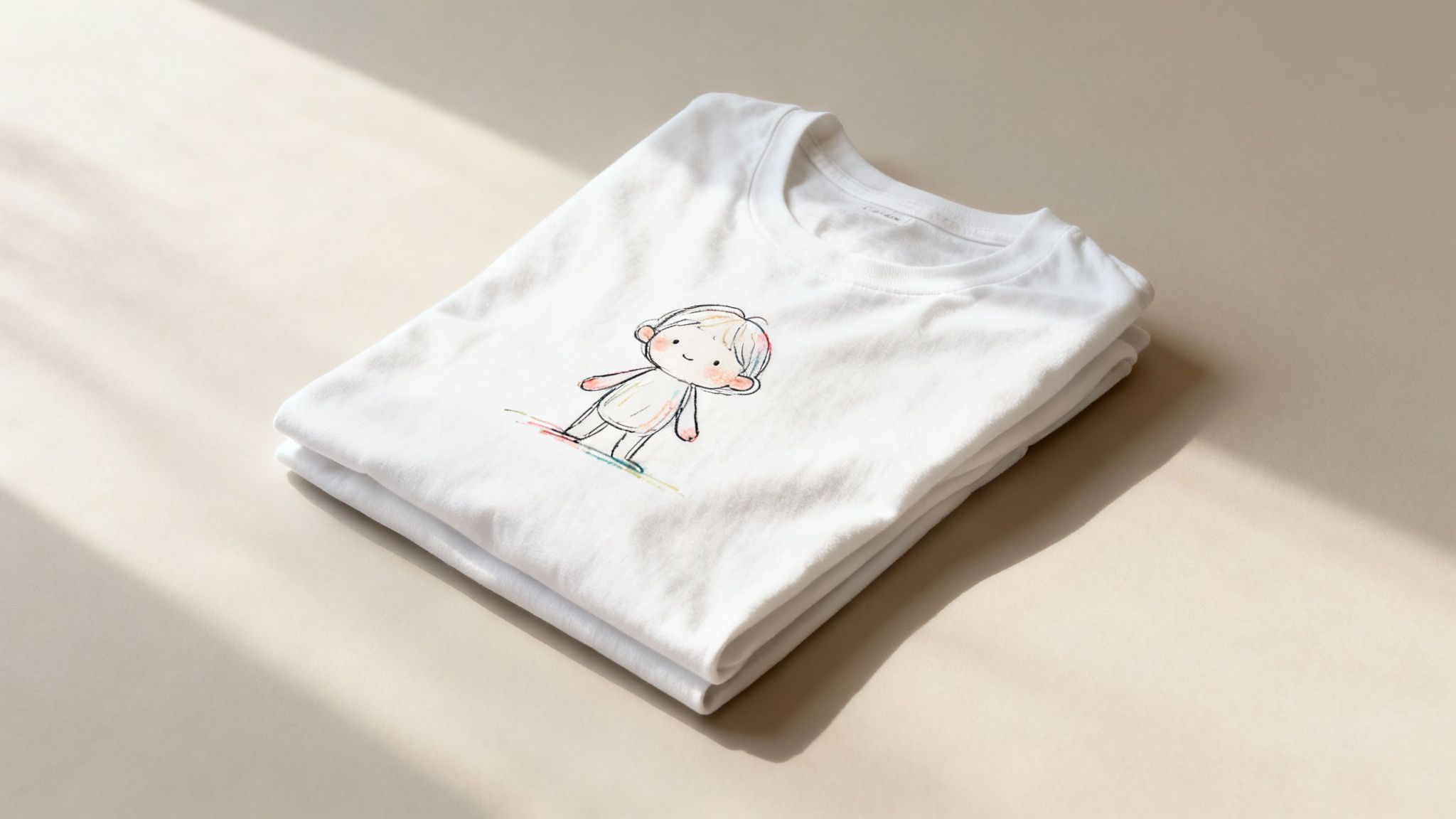
This trend is a perfect match for branded merchandise, where clarity and quick recognition are paramount. When every little visual element carries character, you build brand consistency at micro-touchpoints. It projects a thoughtful finish, aligning perfectly with brands that value precision, quality, and clarity.
How to Apply This Trend to Your Merchandise
Implementing this style requires a focus on personality and brand tone. The goal is to make every micro-element feel considered.
- When every little visual element carries character, you build brand consistency at micro-touchpoints. This applies to icons on websites, in apps, in-store signage, and print collateral.
- It supports a premium positioning by giving everything a thoughtful, crafted finish.
- For promotional products, you can expand icon sets into patterns or surface-treatments, reinforcing identity across mediums like bags, bottles, and apparel.
- Action Tip: Review your icon library. Can you commission a small custom set that ties into your brand tone? Ensure the icons play well when scaled for small merchandise and maintain clarity, which is crucial for various custom printing options.
2. Personalised Illustration & Imperfect Craft
In 2026, illustration is less about slick vectors and more about character: texture, layered brushwork, hand-drawn marks. Authenticity is the keyword. As saturation from digital-only content grows, hand-crafted visuals stand out and feel premium. This bespoke approach is a vital component of modern design trends graphic, allowing brands to tell their story with unparalleled originality.
This approach is particularly impactful for branded merchandise, transforming everyday items like t-shirts and tote bags into collectible pieces of art. It’s perfect for brands that want to appear approachable and story-driven.
How to Apply This Trend to Your Merchandise
Integrating custom illustration requires a clear vision and collaboration to ensure the final art aligns perfectly with your brand and product.
- As saturation from digital-only content grows, hand-crafted visuals stand out and feel premium.
- Helps differentiate your promotional product designs by giving them a “designed-for-you” feel rather than a “stock look”.
- Works well in print (especially for packaging and product collateral) and reinforces the message that you deliver beyond the basics.
- Action Tip: For one of your upcoming projects, consider layering in a “story illustration”—perhaps a subtle hand-drawn graphic behind the logo, or an illustrated scene that ties into your brand story.
3. Mono & Tech-Inspired Typography
Monospaced fonts—once seen mainly in code editors—are making a comeback in branding, editorial and UI. Their utilitarian, tech-forward feel brings credibility and precision. It blends a familiar, functional feel with modern design clarity, making it one of the most engaging design trends graphic today for B2B and tech-focused brands.
This trend is exceptionally effective for merchandise aimed at tech-savvy audiences or for brands that want to signal precision and efficiency. It creates a clean, modern vibe that feels both familiar and refreshingly different from the competition.
How to Apply This Trend to Your Merchandise
Successfully implementing a tech-inspired look is about capturing a feeling of precision and modernity.
- If your business serves B2B or tech-savvy markets, or wants to signal precision, mono typography adds a tech-edge.
- Works as a secondary font pairing to your main brand typeface: use it for subheads, data visuals, and packaging details.
- Action Tip: Audit your typography stack. Identify places where your subhead or body font could be replaced with a mono font for contrast (e.g., in data sheets or presentation decks). Ensure readability in small sizes for print/promo.
4. AI-Augmented Design Workflows
AI is now firmly part of the designer’s toolkit—not replacing the designer, but collaborating with them. This trend champions the use of AI for ideation, variation, and speeding up repetitive tasks, allowing human designers to focus on strategy and creative direction. This tech-forward approach is a vital component of modern design trends graphic, allowing brands to be more agile and experimental.
This approach is particularly impactful for marketing managers who need to generate a high volume of visual assets for different channels. It enables faster turnarounds and more variations for A/B testing visuals for campaigns, whether for digital ads or physical promotional products.
How to Apply This Trend to Your Merchandise
Integrating AI requires a clear process to ensure the final output aligns perfectly with your brand standards.
- For marketing managers, this means faster turnarounds and more variation for testing (e.g., A/B visuals for campaigns, multiple layout versions for print vs digital).
- Your claim of “free artwork layout” can be strengthened by showing how you leverage modern tools (including AI) for efficiency without compromising quality.
- Be mindful: Use AI as a springboard, but maintain brand control. Human review and brand consistency remain key.
- Action Tip: Set up a mini-pilot. Pick one design asset (e.g., a social graphic) and generate 3 variations using an AI tool. Have your designer refine them, then measure how much time was saved versus your previous process.
5. Rich Patterns & Motifs as Brand Identity
Patterns are no longer background afterthoughts—they’re full-fledged identity assets. This trend uses repeating motifs and systemic patterns to create a recognisable and flexible brand language. From bold geometric forms to subtle organic shapes, patterns communicate modernity and creativity. This approach is a powerful tool in modern design trends graphic, allowing brands to build a unique and memorable visual system.
This trend is exceptionally well-suited for branded merchandise because patterns are incredibly versatile. They can be scaled, cropped, and recoloured to fit any product, from a wide tote bag to a narrow pen, without losing their core identity, making them perfect for creating a cohesive and visually striking product range.
How to Apply This Trend to Your Merchandise
Implementing this style is about creating a flexible system that feels both intentional and expressive. The goal is to build a recognisable visual texture for your brand.
- A strong pattern system works brilliantly for promotional merchandise like bags, lanyards, and custom drink bottles, as it gives a cohesive visual brand across items.
- Reinforces differentiation: If your competitors use plain or logo-only designs, a pattern-driven aesthetic sets you apart.
- For your website/blog content, highlighting a “logo-placement guide + pattern system” is valuable content showing branding depth.
- Action Tip: If you don’t already have a pattern library, commission one for your brand. Then create a guideline page on where patterns go and how to scale them for different promo items.
6. Bold Minimalism (Less is More, But Bigger)
Minimalism remains relevant—but in 2026 it’s going bold: large typography, strong colour blocks, and purposeful negative space. This trend strips away non-essential elements to create clean, uncluttered layouts that place the spotlight on the message. This purposeful approach is a key component of modern design trends graphic, demonstrating that impact often comes from disciplined creativity.
This trend is exceptionally effective for creating a cohesive range of branded merchandise. It projects confidence and clarity, simplifying production for items like uniforms, drink bottles, and conference kits while ensuring every piece feels part of a unified family. This approach is ideal for organisations that want to project an unwavering brand presence.
How to Apply This Trend to Your Merchandise
Implementing bold minimalism is about making deliberate, impactful choices that reinforce your brand's core identity.
- For a brand persona of professional quality, this style aligns well: clarity, confidence, no clutter.
- Works well for printed collateral and signage: bold minimalism reads well with shorter attention spans, especially at events.
- Helps unify digital + print: a consistent minimal approach across your website, promotional product visuals, and packaging.
- Action Tip: Review your homepage banner and product highlight pages. Consider creating one “bold-minimal hero layout” template you can reuse across product categories for coherence.
7. Retro-Futurism & Nostalgia Reinvented
Design in 2026 is embracing the past’s vision of the future. Think metallics, Y2K touches, chrome-gradients, bold lighting, and throwback textures. It blends familiar, warm colour palettes and retro fonts with modern design clarity, making it one of the most engaging design trends graphic today. This approach offers a sense of authenticity and timeless cool that resonates across generations.
This trend is exceptionally effective for merchandise aimed at building a unique vibe or creating memorable event swag. A retro-futurist t-shirt or cap can evoke a sense of cool and belonging. For brands in the entertainment, fashion, or tech industries, a retro design can create a fun, approachable vibe that feels both familiar and refreshingly different.
How to Apply This Trend to Your Merchandise
Successfully implementing a retro-futurist look is about capturing a feeling, not just copying an old design. It requires a thoughtful balance between old and new.
- Nostalgia is powerful in marketing for building an emotional connection.
- For promotional products, you could create a “retro-futurist limited edition range” to capture interest and collectability.
- Aligns with your “custom collection” message: limited release equals an exclusive feel.
- Action Tip: Explore using a retro-futurist colour palette and imagery for a special promotion in one campaign quarter to test engagement and social share-uptake.
8. Mixed-Media & Collage Aesthetics
Combining photography, hand-drawn illustration, texture, 3D and digital elements—mixed-media design gives brands a layered, tactile feel. This trend embraces depth, complexity, and tactile richness. Layered and textured design elements build a sense of premium quality by creating compositions with visual intrigue. It's one of the most artistic design trends graphic, transforming a simple object into a piece of art.
This trend is exceptionally well-suited for high-end merchandise where perceived value is crucial. The visual richness elevates items like premium notebooks and tech accessories, making them feel more like luxury goods. It aligns perfectly with brands that want their merchandise to reflect an appreciation for artistry and quality craftsmanship.
How to Apply This Trend to Your Merchandise
Successfully implementing this style requires a strategic balance between complexity and clarity to create depth without causing visual confusion.
- Creates visuals that feel “rich” and “story-led”, supporting premium, trusted brand positioning.
- For promotional print items, the collage aesthetic transfers beautifully to materials like business cards, custom stickers, and packaging sleeves.
- Because the user base often wants their brand to “look modern but personal”, this style bridges craft and digital.
- Action Tip: Build a “visual moods” board for the mixed-media style you like. Then brief your designer to build one composite image (for your blog cover or downloadable asset) using that style as a reference.
9. Modular Brand Systems & Flexibility
In 2026, brand identities are built for scale and change. Modular systems allow a brand to flex across formats (print, social, packaging, promo items) while maintaining cohesion. This trend transforms raw data, brand guidelines, and key messages into visually engaging graphics that are easy to understand and apply. This intelligent approach to design trends graphic proves that a well-designed system is as impactful as a logo.
This trend is exceptionally effective for businesses that need to create a large volume of branded materials consistently. It ensures that every piece of merchandise, from a pen to a trade show banner, feels like part of the same family. It is perfect for corporate, educational, and franchise sectors where maintaining brand integrity across many touchpoints is central to their mission.
How to Apply This Trend to Your Merchandise
The key to a successful modular system is clarity and foresight. You must create a simple, powerful visual system that works on any physical product.
- With your business offering many product types, a modular identity means you can apply your brand quickly across formats without reinventing it every time.
- For clients, this is a value-add: you can show them how their brand can carry seamlessly onto promotional items and event signage.
- From an SEO/content perspective, you can build a “brand system checklist” resource that supports your “logo placement guide” theme.
- Action Tip: Create or revisit your brand identity guideline document. Define logo versions, patterns, colours, and typography, and then define applications for each format. Ensure promotional product layouts are covered.
10. Serif Fonts & Expressive Typography
Serif fonts are enjoying renewed popularity—they bring elegance, reliability and a touch of heritage, while expressive typography (stretching, movement, texture) brings energy. This trend focuses on the strategic use of classic and modern typefaces to forge a powerful and memorable visual identity. This purposeful approach is a key component of modern design trends graphic, demonstrating that impact often comes from disciplined creativity.
How to Apply This Trend to Your Merchandise
Implementing this typographic trend is about making deliberate choices that reinforce your brand's core identity.
- If your brand message emphasises “quality” or “heritage”, a serif font supports that tone.
- Expressive typography can elevate headlines in printed collateral or digital banners to make them more memorable.
- For your blog/content work, you could create an article on “how to choose a typographic system for your promotional product branding.”
- Action Tip: Review your headline fonts. Consider adding a high-contrast serif for headlines with a sans-serif for body copy, and test one piece with expressive typography variations to see engagement.
11. Sustainability as Visual Language
Sustainability isn’t just a message in 2026—it’s a design aesthetic. Natural textures, paper-grain finishes, muted earth-tones, and hand-drawn marks all signal that your brand cares. This trend goes beyond just messaging; it's a visual language that communicates a brand's commitment to the planet. This holistic approach is a powerful force in modern design trends graphic, demonstrating that a brand’s conscience can be its most compelling visual asset.
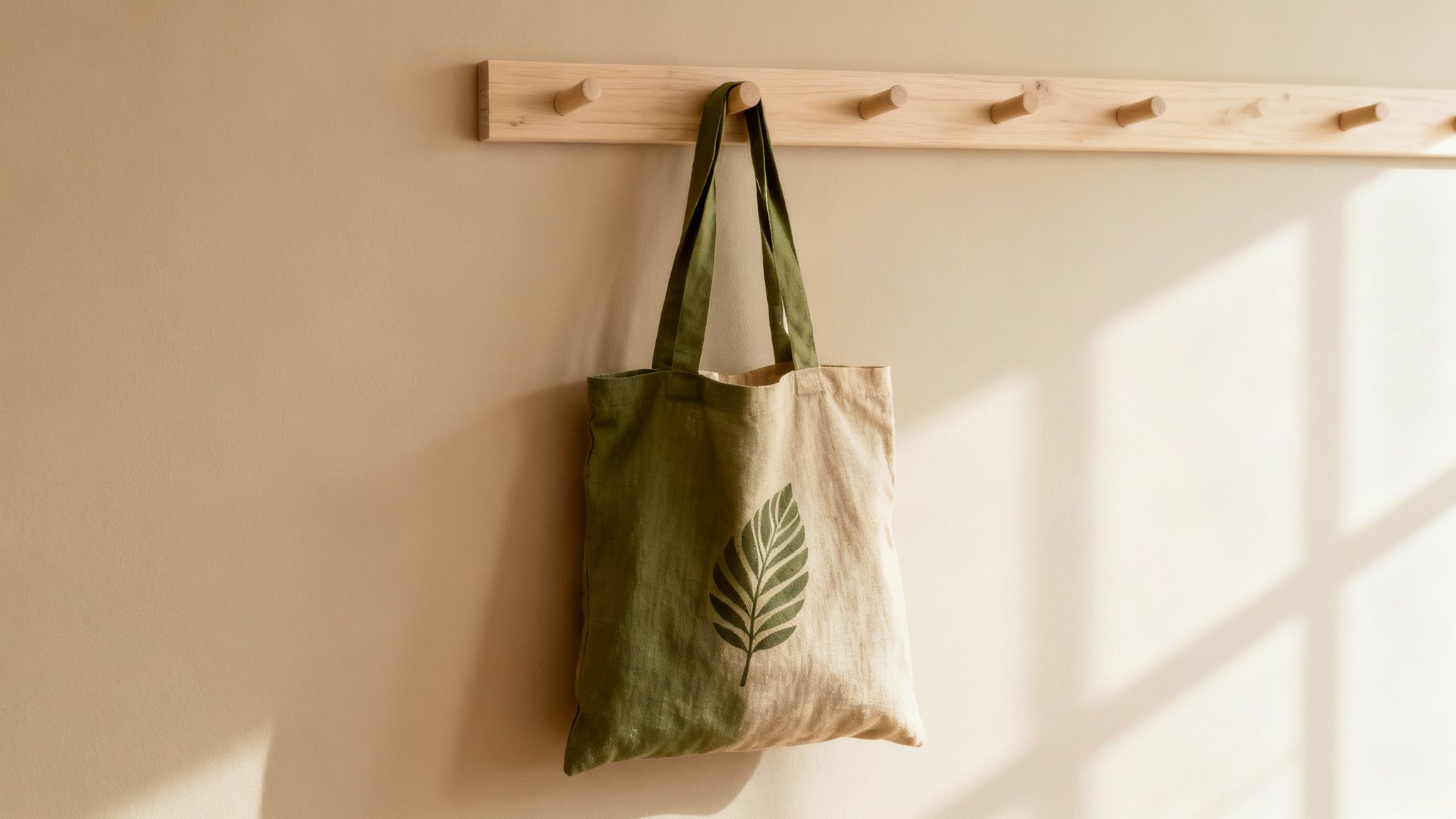
This trend is perfectly suited for branded merchandise, as the physical product itself becomes a testament to your values. Applying an eco-conscious design to a recycled cotton tote bag or a bamboo coffee cup creates a cohesive and authentic story. The design reinforces the sustainable nature of the product, building trust and positive brand association.
How to Apply This Trend to Your Merchandise
Authenticity is key to implementing this style successfully. The design must feel genuine and directly support the sustainability claims of both the product and your brand.
- For promotional products, aligning your design visuals with the sustainability message strengthens both.
- Your brand story can include “eco options” and you can visually support that with sustainable-friendly design cues.
- For SEO and content marketing, publish a page on “sustainable promotional merchandise design” and link to your blog on design trends.
- Action Tip: Audit your upcoming promotional items. Can you visualise them in eco colour palettes and use natural textures to convey sustainability? Develop one “sustainable edition” of a product with that look and highlight it.
By adopting this visual language, you do more than follow a trend; you align your brand with a global movement. You can explore a wide variety of eco-friendly promotional products to find the ideal canvas for your sustainable story.
Final thoughts: Strategy for Marketers & Brands
As you develop your 2026 visual strategy, remember: it’s not about chasing every trend—it’s about choosing the ones that align with your brand ethos, target audience, and marketing channels. The most impactful design trends graphic are powerful strategic tools. The goal isn't to adopt every new aesthetic, but to thoughtfully integrate the ones that resonate with your core brand identity.
The most successful brands in 2026 will be those that see their visual strategy not as a static set of rules, but as a living, breathing system. The true power lies in the synthesis of these ideas, creating a cohesive brand experience that feels both current and timeless. It's about building a flexible yet consistent visual language that works as hard on a digital ad as it does on a custom-printed uniform.
Your Roadmap to Implementation
Moving from inspiration to action is the critical next step. Think of your branded merchandise for your business not as an afterthought, but as a primary channel for brand expression.
- Audit your current visuals: Website, social, print collateral, promotional merchandise—how well do they reflect the directions above?
- Prototype one small campaign: Pick one trend and run a pilot on one product category to test impact.
- Update your brand toolkit and guidelines: Ensure that as you generate dozens of designs you retain visual coherence.
- Educate your clients and team: Use content to explain why these trends matter and how your business is equipped to deliver them. For extra guidance, review these helpful artwork submission tips for beginners.
- Iterate and measure: Capture key metrics (brand recall, engagement, client feedback) from any rollout and build on what works.
Ready to translate these powerful design trends into unforgettable branded merchandise? The expert team at Simply Merchandise specialises in helping Australian businesses, schools, and organisations bring their creative vision to life. We guide you through applying the latest trends to high-quality products, ensuring your brand stands out with style and impact. Explore our extensive range and start your project today at Simply Merchandise.

